
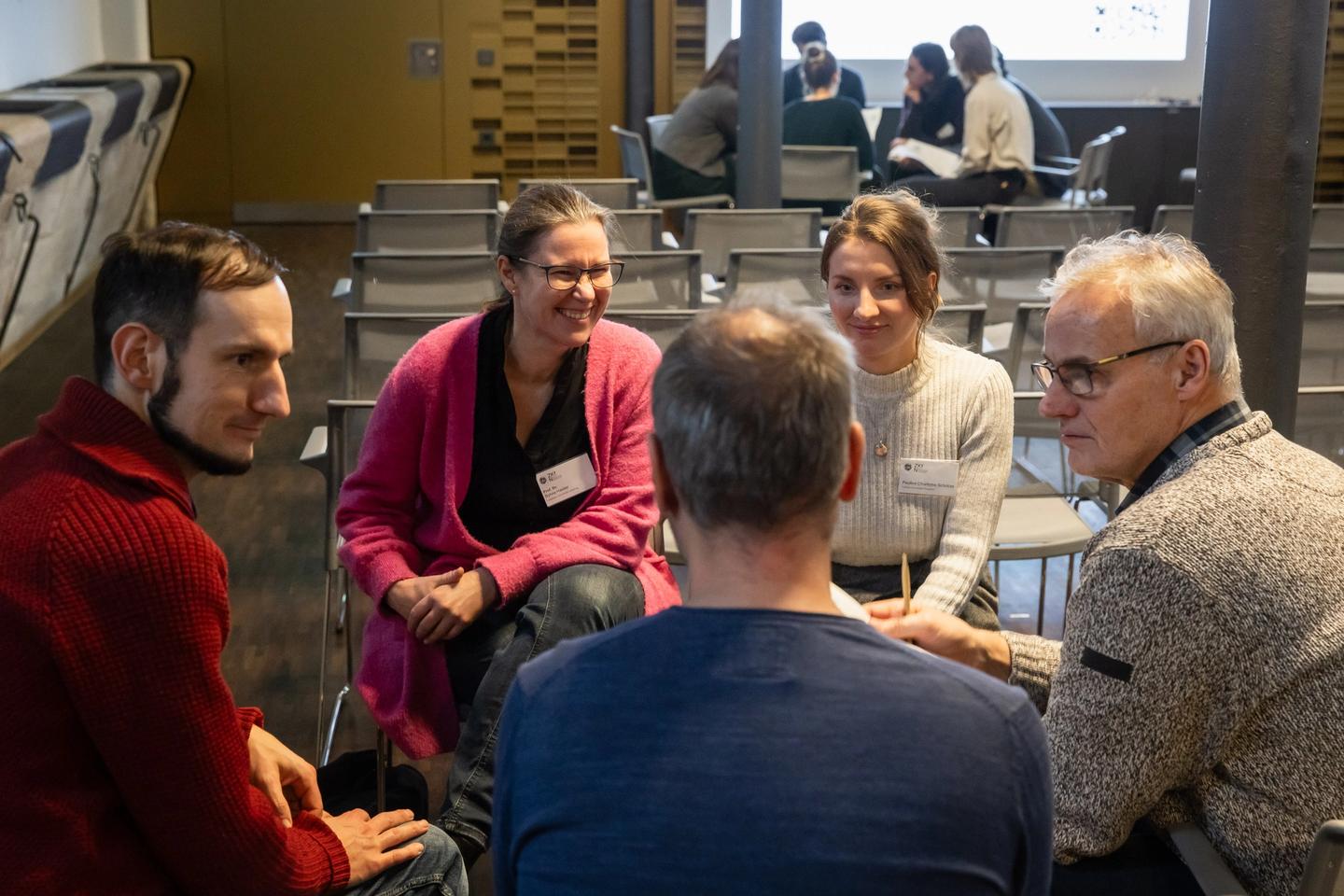
Inter- and transdisciplinary research is the central principle of the Climate Future Labs, which are networked under the umbrella of the ZKfN. It combines scientific expertise with perspectives from politics, business, administration and civil society in order to develop viable solutions for a safe and fair climate future. The workshop at the ZKfN symposium showed what potential this collaboration opens up and what structural requirements it needs. Scientists from the Future Labs and another research project from the network worked together with partners from various areas of society on five key questions on cooperation across disciplinary and sectoral boundaries.
Added value and challenges of interdisciplinary collaboration
The discussions made it clear that interdisciplinary and transdisciplinary processes offer decisive added value. Different perspectives and methodological approaches open up new solution spaces and enable more differentiated answers to complex questions. At the same time, the exchange between disciplines results in a transfer of knowledge and methods that enriches the joint work and generates new questions. At the same time, however, it also became clear that this collaboration is challenging. Differences in terminology, data bases, understanding of evidence and working cultures can cause friction. Interdisciplinarity is therefore not an automatic process, but a form of cooperation that requires time, mutual understanding and suitable framework conditions.
Conditions for successful cooperation
Communication was emphasised as a central prerequisite for successful interdisciplinary and transdisciplinary work. Open discussions, clear definitions of objectives and transparent decision-making processes facilitate joint work and help to clarify misunderstandings at an early stage. Supporting tools such as glossaries, documentation or manuals can help to visualise different specialist languages and define interfaces. In addition to structured exchange formats, the institutional level also plays an important role. Inter- and transdisciplinarity expands competences and networks, but can collide with existing assessment and qualification systems, especially at the beginning of academic careers. Many participants therefore emphasised the importance of recognition, institutional openness and targeted support. At the same time, the importance of diverse forms of exchange was emphasised. Regular meetings, dialogues with practitioners, administration and local authorities, experimental workshops or art and science formats create visibility and promote mutual understanding - even beyond science.
From project to practice: transfer and stabilisation
In order for interdisciplinary and transdisciplinary collaboration to have a long-term impact, findings and processes must be embedded in everyday research and support. Documentation, evaluation and shared routines support continuity. Mentoring, joint teaching events and exchanges between experienced and new project members also help to secure and pass on knowledge. It was emphasised several times that transfer is not just a question of structure, but also of attitude. Trust, shared visions and active collaboration characterise the quality of inter- and transdisciplinary processes just as much as their institutional framework conditions.
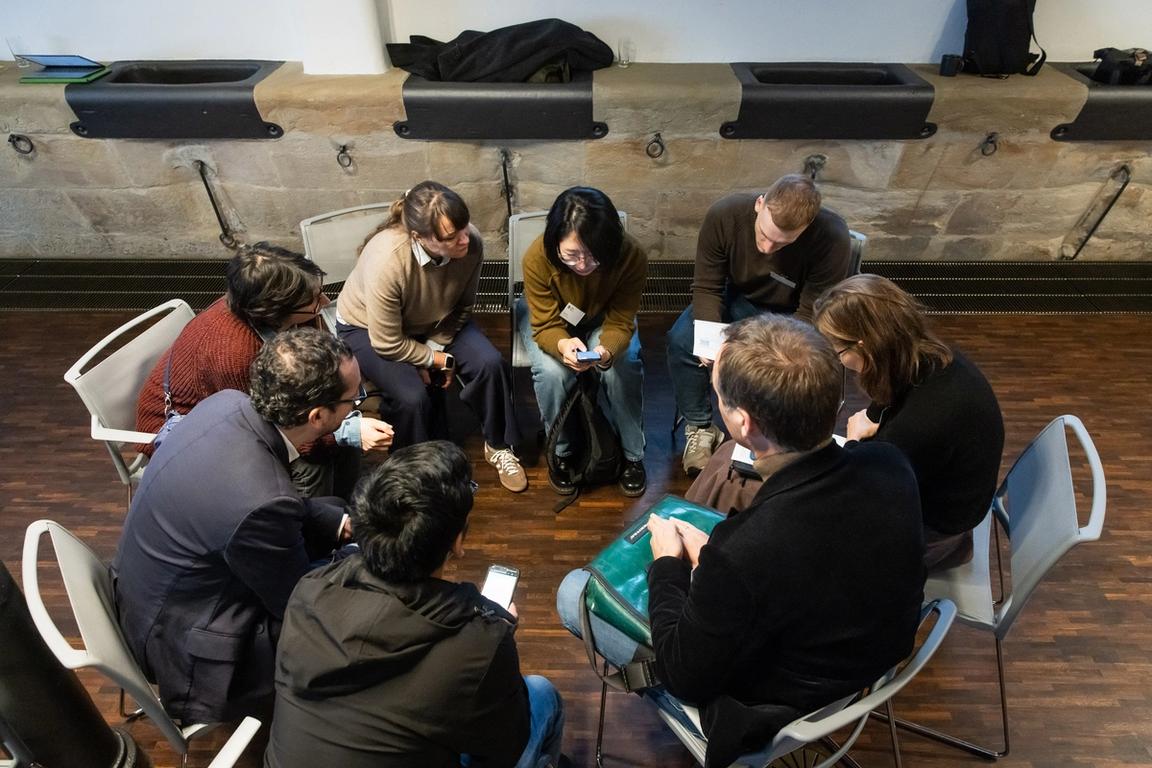
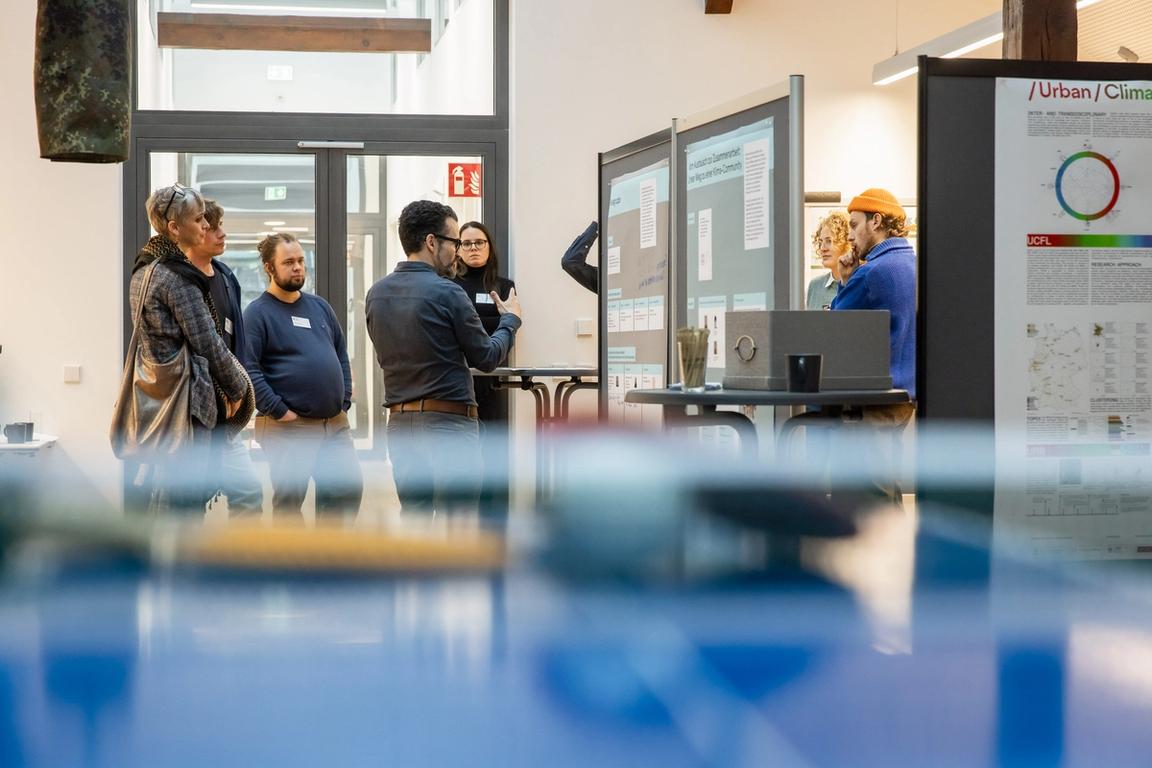
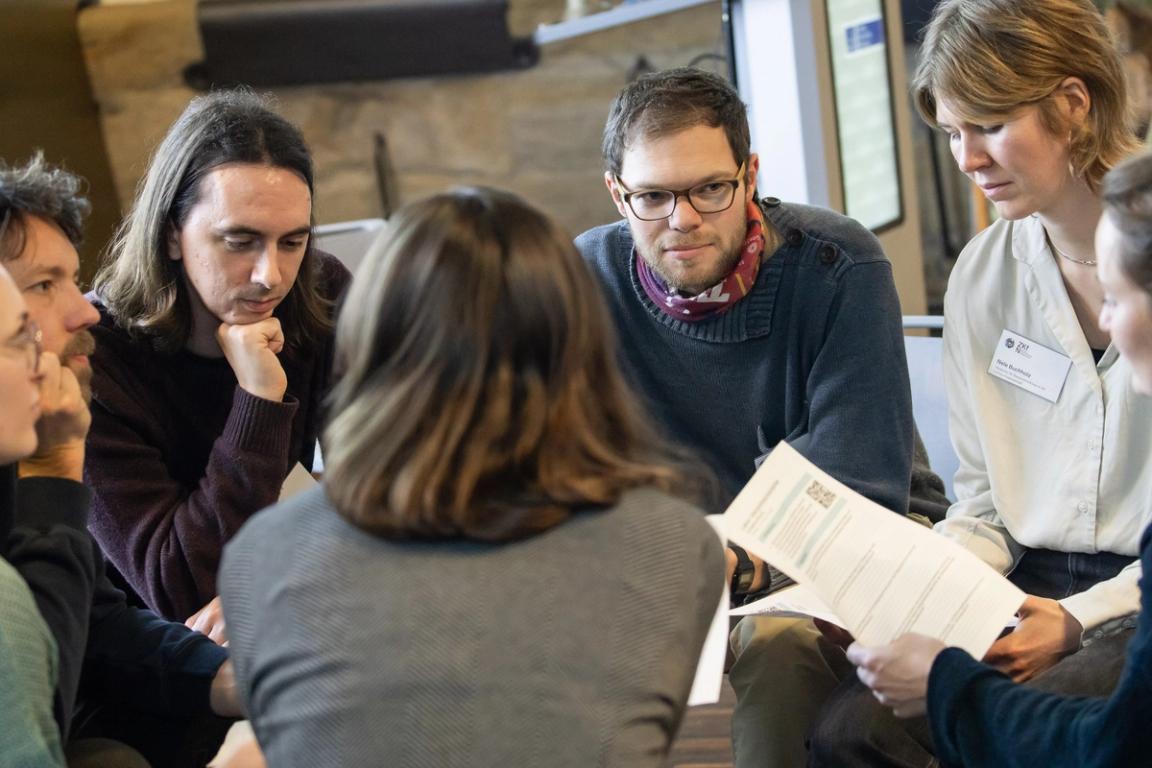
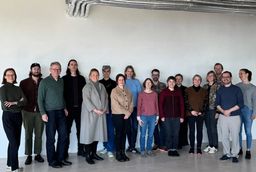
Impressions from the workshops in several groups



More Posts
All

Forest disturbances and climate shape the diversity of butterflies and moths
First scientific DIVERSA publication
2 min. Reading time

UMEX-HOPE launches with a newsletter and a LinkedIn page
Insights into research, processes and collaboration
1 min. Reading time
Coordination Meeting of the Climate Future Labs in Braunschweig
The exchange focuses on the interfaces between the laboratories
3 min. Reading time